Premium Accessories For Babies
‹ Watch & Buy ›
TinyTyke- Ultra-Soft Baby Dry Sheet | Waterproof & Breath...
₹ 299
₹ 399
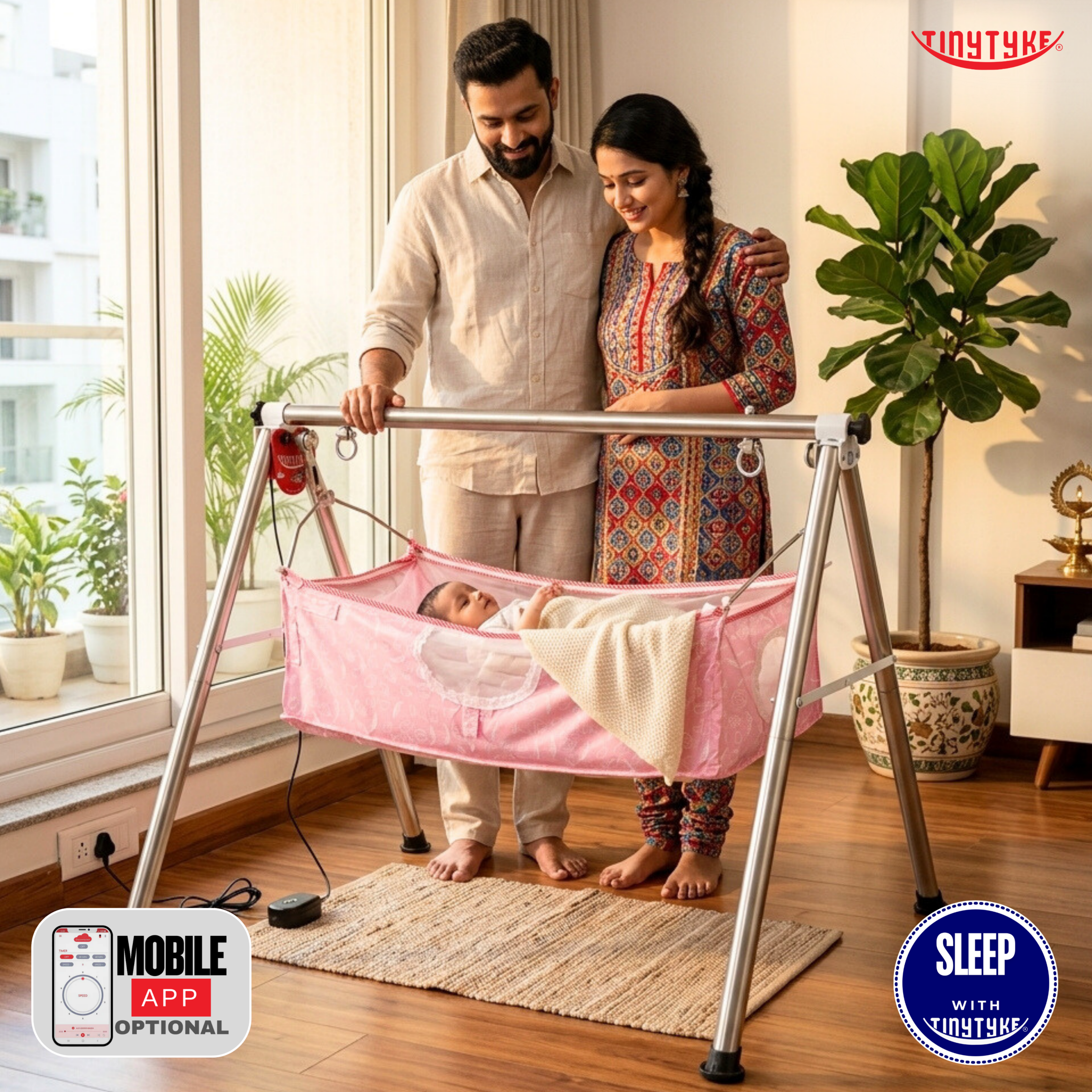
25% OFFTinyTyke Modern | Care — Automatic Baby Cradle | Electric...
₹ 14,499
₹ 18,999
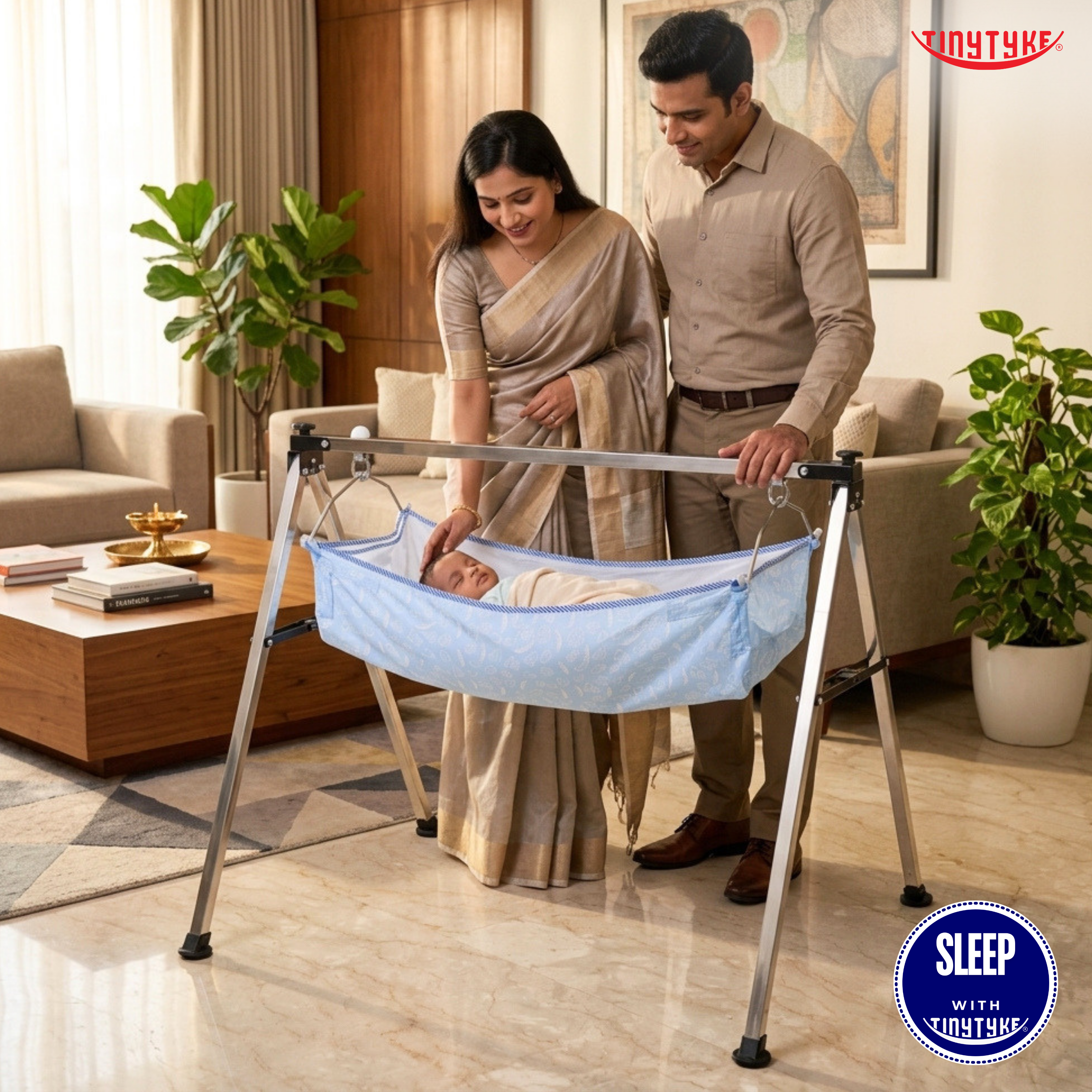
23% OFFTinyTyke Classic | Semi Foldable — Automatic Baby Cradle ...
₹ 7,499
₹ 9,399
20% OFFTinyTyke T6 FaceTime Stroller — Reversible Seat Baby Pram...
₹ 9,998
₹ 13,299
24% OFFTinyTyke- Plush Baby Giraffe Soft Toy
₹ 695
₹ 899
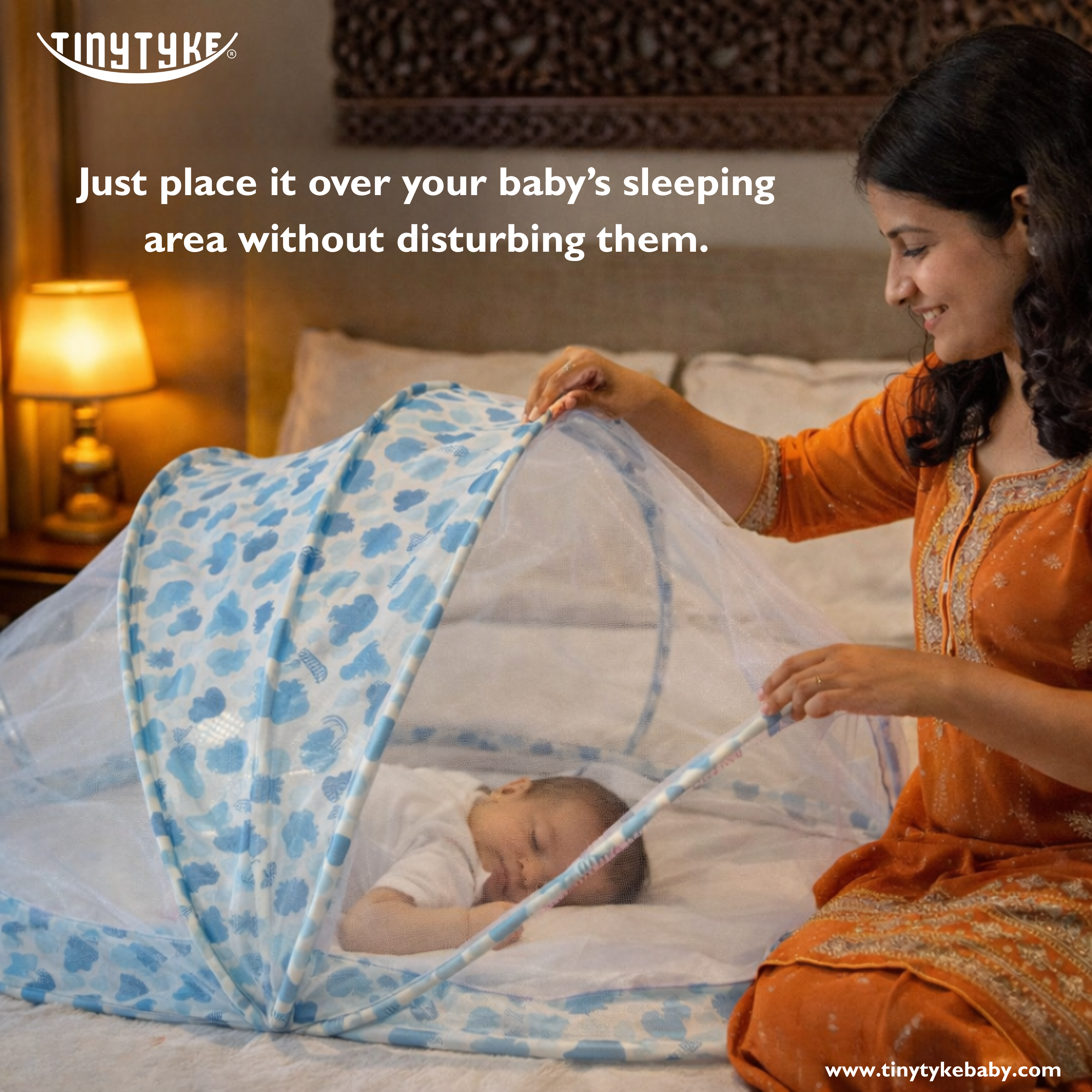
22% OFFTinyTyke- Bottomless Baby Mosquito Net | Foldable
₹ 1,399
₹ 1,799
22% OFFTinyTyke Modern | Care — Automatic Baby Cradle | Electric...
₹ 14,499
₹ 18,999
23% OFFTinyTyke T7 MegaSpace Travel System Stroller — With Optio...
₹ 11,799
₹ 14,399
18% OFFTinyTyke Classic | Fully Foldable — Automatic Baby Cradle...
₹ 9,999
₹ 12,499
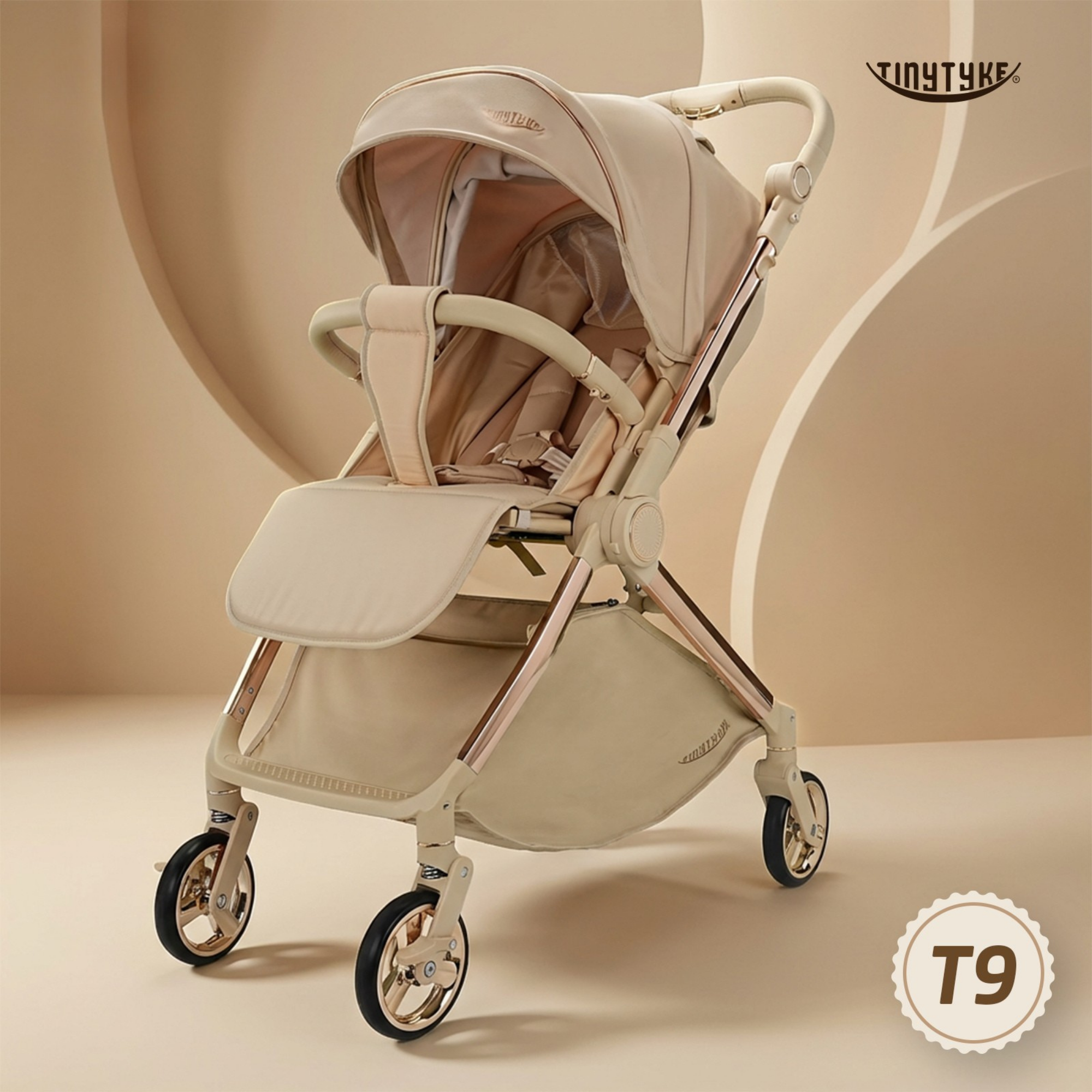
20% OFFTinyTyke T9 Click & Go Stroller — Reversible Handle Baby ...
₹ 14,499
₹ 16,999
14% OFFTinyTyke- Plush Baby Rattle Ball Soft Toy
₹ 245
₹ 299
18% OFFLet customers speak for us

One mother. One baby. One cradle and a hundred opportunities.
“We are grateful to the parents who give their babies a Tinytyke experience, letting Tinytyke become an inseparable part of their very early childhood and putting their faith on a Tinytyke cradle“
Heta Nishil Pandya • Ahmedabad, Gujarat
From the Blog
Why Does My Baby Wake Up When I Put Them Down? 9 Reasons & What Parents Can Do
Quick Summary Common Reason What Parents Can Try Light sleep Wait until your baby is settled before transferring Startle reflex Make transfers slow and gentle Change in movement Reduce sudden movement Change in temperature Keep the sleep environment comfortable Hunger Check feeding needs Wet diaper Check and change when needed Overtiredness Watch your baby's sleep cues Sleep association Build consistent calming sleep cues Need for soothing Use a calm and predictable bedtime routine Table of Contents Why Does My Baby Wake Up When I Put Them Down? Your Baby May Still Be in Light Sleep The Startle Reflex Can Wake Your Baby Your Baby Notices the Change From Your Arms Your Baby May Be Overtired Hunger or Discomfort May Wake Your Baby Your Baby May Be Used to Rocking The Transfer May Be Too Sudden Your Baby Is Still Developing Their Sleep Pattern Gentle Rocking May Be Soothing for Some Babies Can an Automatic Baby Cradle Make Things Easier? What About a Traditional Indian Ghodiyu? How to Choose an Automatic Baby Cradle Frequently Asked Questions Final Thoughts Why Does My Baby Wake Up When I Put Them Down? You finally get your baby to sleep. You carefully rock them. You wait. You slowly stand up. You gently put your baby down… And suddenly: Eyes open. 😭 If you've ever wondered, “Why does my baby wake up every time I put them down?”, you're not alone. This is a common challenge for new parents. Babies can wake during a transfer for several reasons, including changes in movement, temperature, position, sleep stage, hunger, discomfort or their need for comfort. The good news? Understanding the reason can help you create a calmer and more predictable sleep routine. 1. Your Baby May Still Be in Light Sleep One of the most common reasons babies wake after being put down is that they may still be in a lighter stage of sleep. Your baby may look completely asleep in your arms, but a small change in position or movement can wake them. What can parents do? Try to transfer your baby slowly and gently once they appear settled. Avoid sudden movements, bright lights or unnecessary noise. Every baby is different, so finding the right timing may take some patience. 2. The Startle Reflex Can Wake Your Baby Young babies have a natural startle response, commonly called the Moro reflex. A sudden movement or change in position can cause your baby to: Move their arms Open their eyes Startle Become unsettled Cry This can make transferring a sleeping newborn surprisingly difficult. Parent Tip Keep movements slow and gentle when moving your baby from your arms to an appropriate sleep surface. 3. Your Baby Notices the Change From Your Arms Your arms provide: Warmth Touch Movement Familiar smell Comfort Then suddenly: Warm arms → Still sleep surface Your baby may notice that change. This is one reason some babies sleep peacefully while being held but wake shortly after being put down. 4. Your Baby May Be Overtired It may seem logical that a tired baby should sleep more easily. But an overtired baby can sometimes be harder to settle. You may notice: Fussiness Irritability Difficulty settling Frequent waking Increased sensitivity to noise and movement Parent Tip Rather than waiting until your baby is completely exhausted, pay attention to their individual sleep cues. A simple and consistent bedtime routine can also help your baby understand that it is time to wind down. 5. Hunger or Discomfort May Wake Your Baby Sometimes the problem isn't actually sleep. Your baby may wake because they are hungry or uncomfortable. Before settling your baby, consider whether they may need: Feeding A diaper change Burping A more comfortable temperature A change of clothing Attention for signs of illness or discomfort If your baby regularly appears uncomfortable or you have concerns about feeding or sleep, speak with your pediatrician. 6. Your Baby May Be Used to Rocking Does your baby fall asleep only when you rock them? Your baby may have developed a familiar sleep association: Rocking → Comfort → Sleep So when the rocking suddenly stops, your baby may notice the change and wake. This does not mean you have done anything wrong. Rocking is a familiar soothing method for many families. The goal is to gradually build other calming and consistent sleep cues as your baby grows. 7. The Transfer May Be Too Sudden Imagine falling asleep in someone's arms and suddenly waking up somewhere completely different. For a baby, that change can feel significant. Try making the transition: Slow. Gentle. Quiet. Consistent. Keep the environment calm and avoid sudden changes in light, sound or movement. 8. Your Baby Is Still Developing Their Sleep Pattern Newborn sleep isn't always predictable. One day your baby may sleep well. The next day they may wake frequently. Sleep patterns change as babies grow and develop. That's why parents shouldn't feel pressured to create a perfect routine immediately. Focus on: A calm sleep environment Consistent bedtime cues Your baby's individual sleep signals Feeding and diaper needs Appropriate safe-sleep practices Read More 👉 Newborn Sleep Schedule by Age: 0–6 Months 9. Gentle Rocking May Be Soothing for Some Babies Many parents use gentle rocking as part of their baby's calming routine. If you currently use a traditional ghodiyu, jhula or baby cradle, manually rocking the cradle can become tiring. Especially when your baby needs repeated soothing. This is where an automatic baby cradle can provide convenience. Instead of manually rocking the cradle continuously, an automatic cradle uses a motorized mechanism to provide rocking movement. However, parents should always use the product according to its specific instructions, age and weight limits, and intended use. Can an Automatic Baby Cradle Make Things Easier? For parents who already use a traditional cradle, an automatic baby cradle can reduce the need for continuous manual rocking. Depending on the model, features may include: Adjustable rocking speed Timer Music Mobile-app control Power-bank compatibility Features vary between models, so parents should always check the individual product specifications. For Indian parents familiar with the traditional ghodiyu or jhula, an automatic cradle combines a familiar concept with modern convenience. Explore TinyTyke Automatic Baby Cradles 👉 View TinyTyke Automatic Baby Cradles What About a Traditional Indian Ghodiyu? For many Indian families, the ghodiyu, jhula or palna is a familiar part of newborn care. Today, parents can choose between traditional manual cradles and modern automatic options. If you already have a traditional cradle and want to reduce the effort of manually rocking it, an automation kit may be another option to consider. Already Have a Manual Cradle? TinyTyke's Cradle Automation Kit is designed for compatible cradle frames and can help convert a compatible manual cradle into an automatic cradle. 👉 Explore TinyTyke Cradle Automation Kit How to Choose an Automatic Baby Cradle If you're searching for an automatic baby cradle in India, don't choose one only based on appearance. Consider these factors: 1. Age and Weight Range Always check the manufacturer's recommended age and weight limits. 2. Cradle Construction Check the frame, suspension system and overall construction. 3. Movement Settings Look for movement controls appropriate to the product's intended use. 4. Timer A timer can provide additional convenience when available. 5. Power Options Check the product's power requirements and available power options. 6. Safety Instructions Read the manufacturer's instructions before using the product. 7. Warranty and Support After-sales service can be important when purchasing a motorized baby product. Read Our Complete Guide 👉 Automatic Baby Cradle Buying Guide Important Baby Sleep Safety Reminder An automatic cradle should not automatically be considered a safe sleep space simply because it provides rocking movement. Safety depends on the specific product, design, intended use, baby's age and weight, and manufacturer's instructions. For evidence-based guidance, parents can also refer to the American Academy of Pediatrics' safe sleep recommendations . Parents should: Follow the manufacturer's instructions. Follow the product's age and weight limits. Use the product only for its intended purpose. Follow current safe-sleep guidance. Speak with a pediatrician if they have concerns about their baby's sleep. For more information, read: 👉 Creating a Safe Sleep Environment for Your Baby Frequently Asked Questions Why does my baby wake up every time I put them down? Your baby may wake because of changes in movement, position, temperature, touch or sleep stage. Hunger or discomfort can also cause waking. Why does my baby only sleep in my arms? Your baby may associate your warmth, smell, touch and movement with comfort. This can be especially common during early infancy. How can I put my baby down without waking them? Try a slow and gentle transfer when your baby is settled. Keep the environment quiet and maintain a consistent bedtime routine. For more practical information about newborn sleep and bedtime routines, parents can also read the NHS guide to helping your baby sleep . Why does my newborn wake up immediately after being put down? Newborns have developing sleep patterns and can be sensitive to changes in movement, position and environment. Why does my baby sleep better when rocked? Gentle rhythmic movement can be soothing for some babies. Your baby may also associate rocking with comfort and falling asleep. What is an automatic baby cradle? An automatic baby cradle uses a motorized mechanism to provide rocking movement, reducing the need for continuous manual rocking. What is an automatic ghodiyu? An automatic ghodiyu is a modern motorized version of the traditional Indian baby cradle or jhula. Can I convert my manual cradle into an automatic cradle? Some manual cradles may be compatible with an automation kit. TinyTyke offers an automation kit for compatible cradle designs. 👉 Check TinyTyke Cradle Automation Kit Final Thoughts If your baby wakes up every time you put them down, you're not alone. Your baby may simply be responding to a change in movement, warmth, touch, position or sleep stage. Instead of chasing a perfect sleep routine, focus on creating a calm, consistent and responsive routine. And if manual rocking has become tiring, an automatic baby cradle may offer an extra layer of convenience for parents who find gentle rocking helpful. Because sometimes parenting doesn't need to be perfect. Sometimes you just need a little help. ❤️ Explore TinyTyke 🛏️ Shop Automatic Baby Cradles 🔄 Automate Your Existing Cradle 📖 Read More TinyTyke Baby Guides
Learn morePrenatal Yoga for Beginners: A Safe Pregnancy Yoga Guide
Quick Summary Question Quick Answer Is prenatal yoga safe? Generally, for many people with uncomplicated pregnancies when appropriately modified. Can beginners do prenatal yoga? Yes, but start gently and use a qualified prenatal instructor. Is yoga safe in all trimesters? Many forms can be adapted throughout pregnancy, but poses and intensity may need to change. How often can I do it? Follow a comfortable routine appropriate for your health and pregnancy. What should I avoid? Positions or activities that cause pain, dizziness, overheating, instability or excessive strain. Should I ask my doctor? Yes, particularly if you have a medical condition, pregnancy complication or are starting a new exercise program. Table of Contents What Is Prenatal Yoga? Is Prenatal Yoga Safe for Beginners? Benefits of Prenatal Yoga Prenatal Yoga in the First Trimester Prenatal Yoga in the Second Trimester Prenatal Yoga in the Third Trimester Beginner-Friendly Prenatal Yoga Poses Breathing and Relaxation Exercises Yoga Poses and Practices to Modify or Avoid Prenatal Yoga for Beginners Pregnancy comes with a variety of excitement, physical transformations and concerns about physical activity.Your body transforms, balance becomes different, and the exercises you found easy before pregnancy no longer feel comfortable.Here is when pregnancy yoga for beginners comes to help.Pregnancy yoga involves modifications of regular yoga poses to accommodate pregnancy requirements. It includes stretching, mobility, breathing and relaxation without turning exercise into a contest.According to NHS, pregnancy yoga belongs to the list of exercises helping pregnant women to relax and reduce body tension while at the same time stressing the necessity to keep exercise comfortable and avoid tiredness.And here is the bottom line:Pregnancy yoga should help your body – not hurt it. What Is Prenatal Yoga? Prenatal yoga is yoga that has been tailored for pregnant women.It usually involves:Gentle stretchingMobility movementsModified yoga posturesBreathing techniquesRelaxationPelvic floor trainingBalance and posture training The poses will be tailored to suit your progress through pregnancy.A good prenatal yoga teacher would know how to modify your exercises depending on where you are in pregnancy and guide you on postures that you should avoid.The NHS suggests informing your exercise teacher that you are pregnant to ensure that they are appropriately qualified. Is Prenatal Yoga Safe for Beginners? Gentle exercise such as prenatal yoga is deemed safe for most healthy individuals experiencing a normal pregnancy.However, yoga during pregnancy does not involve stretching and performing complicated postures that you can manage even prior to getting pregnant.Pregnancy should not be a time when you push yourself to stretch more and perform difficult poses.Discussing exercise plans, especially a plan to start exercising, should be done with your obstetrician, midwife, or any other maternity health care provider.This is especially true if there are complications or medical problems with your pregnancy that may affect your ability to exercise. Benefits of Prenatal Yoga 1. Keeps You Physically ActivePrenatal yoga gives you a safe method for exercising your body during pregnancy.Being physically active might help you stay fit and adapt to changes caused by pregnancy. 2. Helps You RelaxMany prenatal yoga classes contain relaxation and breathing exercises.That gives you a good chance to relax both your mind and body.The NHS explicitly states that prenatal yoga is one of the activities that may relax you and reduce body tension. 3. Helps You Stay MobileLight stretching and controlled movements might help you stay mobile as pregnancy goes on. 4. Helps Keep Your StrengthPregnancy-safe strength and mobility exercises might help you stay physically active during pregnancy.The NHS also states that exercise during pregnancy is useful in strengthening joints and muscles and relieving some of the symptoms associated with pregnancy. 5. Helps with Your Mental HealthPregnancy is stressful in many ways.Calming physical activities give you a chance to get away from daily life stresses and help you feel better.Physical activity is also known to positively affect mental well-being. Prenatal Yoga in the First Trimester During the first trimester, you might experience:TirednessNauseaFood aversionEnergy level changesExtreme tirednessThere is no need for you to undertake a strenuous yoga routine because you have conceived. Beginner’s Routin Commence with:Gentle standing posturesEasy mobilityBreathing exercisesMild stretchingRelaxationIf you were involved in physical activities before conception, there may be the possibility of undertaking similar activities through the necessary modifications.For a beginner, do not undertake a complex yoga routine. First Trimester Yoga Tips Do:Perform movements slowly.Take rest periods.Drink plenty of water.Let your teacher know you are pregnant.Discontinue when you feel discomfort. Avoid:Performing stretches forcefully.Overheating yourself.Difficult exercises you don’t normally do. Prenatal Yoga in the Second Trimester Your center of gravity and balance start to shift as your belly develops.Many yoga poses need to be adjusted at this point. Pay Attention to:Mild hip movementPoses for comfortable standingStretches with assistanceInhalingUnwindingThe way you standExercises for the pelvic floorExercises that require you to lie flat on your back for extended amounts of time should be avoided, especially after 16 weeks, according to the NHS.Alternatively, where appropriate, your instructor may offer different positions such side-lying, sitting, or supported versions. Indeed, a lot of people choose for at-home or online prenatal yoga.But make thoughtful selections.Search for:A certified yoga instructor for expectant mothersSessions tailored to pregnancyModifications to the clear trimesterOptions for beginnersInstructions for safetyAdvice to cease if symptoms appear A beginner-friendly prenatal and postnatal fitness video is available, but if you're not sure if the exercises are appropriate for your health or pregnancy, you should consult a healthcare provider. Move, Breathe & Prepare for Motherhood Perfect poses are not the focus of prenatal yoga. It's about developing a relaxing and comfortable activity regimen that will help you during your pregnancy.To plan your pregnancy, hospital preparation, and infant necessities, download the TinyTyke Pregnancy & infant Preparation Checklist.
Learn moreCreating a Safe Sleep Environment for Your Baby
A baby's safest sleep environment is a hard, flat, non-inclined sleep surface in an appropriate crib, bassinet, portable play yard, or bedside sleeper that is covered with a fitted sheet and free of cushions, loose blankets, toys, and other soft things. Babies should always sleep on their backs.
Learn more
Free Shipping
On All Orders

Crafted with Love!
Made in India

Easy Returns
Easy return policy

Secure Checkout
100% Payment Protection