Quick Summary
|
Topic |
Details |
|
Common During |
All trimesters, particularly the third. |
|
Main Causes |
Hormonal fluctuations, pain, anxiety, heartburn, and frequent urination |
|
Best Sleep Position |
Sleeping on your side (typically recommended during the first trimester; consult your healthcare professional) |
|
Helps Improve Sleep |
Regular routine, nutritious food, relaxation, and comfortable bedding |
|
Avoid |
Excess caffeine, large late-night meals, and screen time before bed |
|
Medical Advice |
Consult your obstetrician before taking sleep medicines or supplements. |
Table of Contents
- What Is Pregnancy Insomnia?
- Why It Happens During Pregnancy
- Symptoms
- Common Causes
- Safe Solutions
- Foods That May Support Better Sleep
- TinyTyke Pregnancy Tip
- When to Consult Your Doctor
- Key Takeaways
- FAQs
What Is Pregnancy Insomnia?
Although being pregnant is a joyful experience, it can sometimes provide unforeseen sleep difficulties. It can be challenging for many pregnant mothers to go to sleep, stay asleep, or wake up feeling rested. Pregnancy insomnia is a popular term used to describe this issue.
Pregnancy-related insomnia is frequently transient and might be brought on by typical hormonal and physical changes. Even though it can be annoying, you can enhance the quality of your sleep by learning the causes and forming good sleeping habits.
In addition to promoting your physical and mental health, getting adequate sleep throughout pregnancy helps your body get ready for childbirth and the postpartum period.
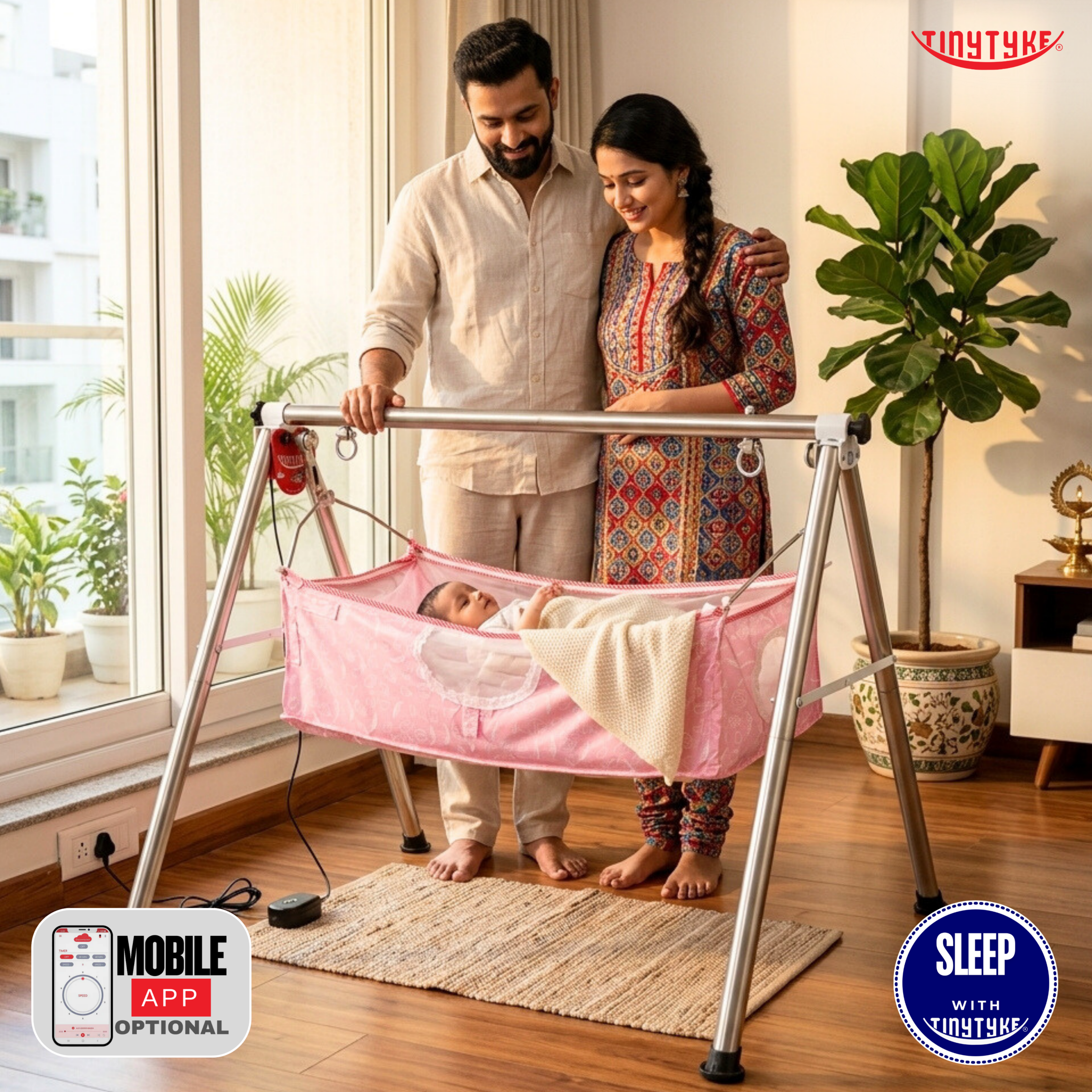
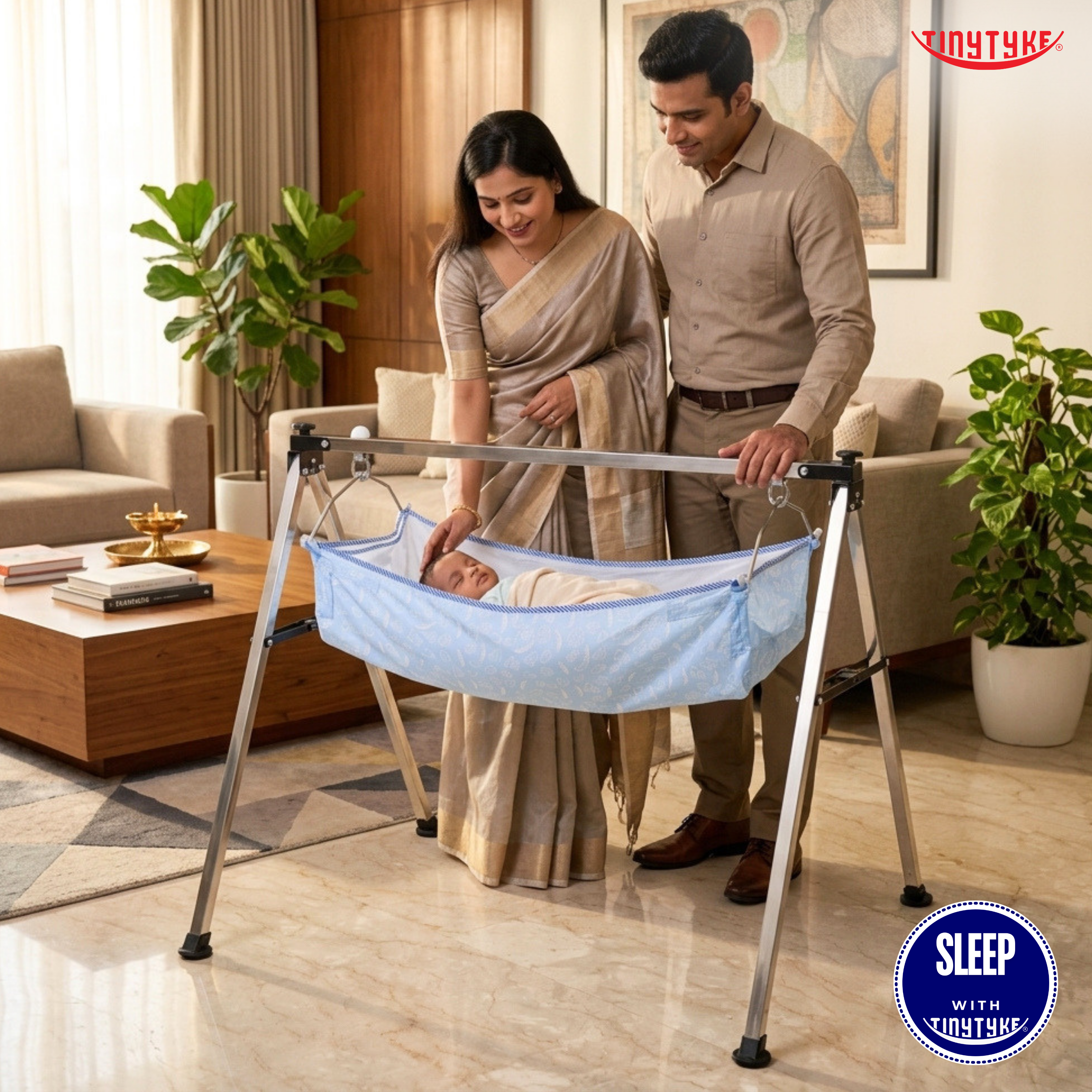
While pregnancy is the greatest time to enhance your personal sleep patterns, it's also an excellent time to begin preparing your baby's future sleep environment. Learning about infant sleep practices and selecting the appropriate baby needs, such as a safe Automatic baby cradle, can help minimize stress and make the transition to parenting easier.
Why Does Pregnancy Insomnia Happen?
Pregnancy brings about a number of changes that may have an impact on sleep.
Changes in Hormones
During pregnancy, hormones like progesterone grow dramatically. These alterations may affect your sleep cycle, cause daytime drowsiness, and occasionally result in restless nights.
Regular Urination
Your uterus puts pressure on your bladder as it grows, increasing the frequency of midnight bathroom visits.
Physical Pain
It gets harder to find a comfortable sleeping position for your growing infant. Leg cramps, pelvic pain, back pain, and abdominal stretching can all cause sleep disturbances.
The Baby's Motions
Kicks and other movements may make it more difficult for a baby to go asleep, and many babies become more active in the evening.
Indigestion and Heartburn
Acid reflux and heartburn can be exacerbated by hormonal changes and strain on the stomach, especially after meals or while lying down.
Anxiety and Shifts in Emotions
Naturally, getting ready for labor, motherhood, and other life transitions might cause anxiety or racing thoughts that make it harder to fall asleep.
Although pregnancy insomnia affects the mother, many parents are concerned about the newborn's sleep following delivery. Preparing a comfortable and safe sleep environment before your baby arrives might help to alleviate last-minute stress. TinyTyke's manual and automatic baby cradles are intended to be part of a tranquil bedtime ritual for your newborn, in addition to establishing safe sleep habits.
Symptoms of Pregnancy Insomnia
Typical signs and symptoms include:
- Having trouble falling asleep
- Having several nighttime awakenings
- Getting up too early
- Despite spending enough time in bed, feeling exhausted
- Fatigue during the day
- Having trouble focusing
- Mood swings or irritability
While occasional sleep problems are common, you should talk to your doctor about persistent insomnia.
Which Trimester Is Sleep Most Affected?
|
Trimester |
Common Sleep Challenges |
|---|---|
|
First Trimester |
Hormonal changes, nausea, fatigue, frequent urination |
|
Second Trimester |
Sleep may improve for many women, though heartburn and baby movements may begin |
|
Third Trimester |
Larger abdomen, back pain, baby movements, leg cramps, frequent urination, anxiety about labour |
Every pregnancy is unique, so experiences can vary.
Safe Solutions for Pregnancy Insomnia
1. Keep a Regular Sleep Schedule
Every day, even on the weekends, set a consistent schedule for going to bed and waking up. Your body can recognize when it's time to go to sleep if you follow a regular schedule.
2. Establish a Calm Bedtime Schedule
Before going to bed, think about:
- Perusing a book
- Playing relaxing music
- Stretching gently
- Deep breathing techniques
- Practicing meditation
-
Steer clear of stimulating activities right before bed.
3. Take a Comfortable Position to Sleep
Later in pregnancy, many medical professionals advise sleeping on your side to enhance comfort and circulation. If necessary, use cushions to support your knees, abdomen, or back.
4. Have Modest Evening Meals
Meals that are heavy, spicy, or oily right before bed might exacerbate heartburn.
Choose lighter meals instead, and before you lie down, give yourself time to digest.
5. Drink plenty of water, but time it carefully
Drink enough water during the day, but think about cutting back on large amounts right before bed to reduce the number of trips to the restroom at night
6. Continue Your Exercise
Exercises like stretching, walking, and prenatal yoga may help you sleep better and feel less stressed if your doctor has cleared them.
7. Cut Back on Caffeine
As advised by your healthcare provider, limit coffee, tea, energy drinks, and other caffeine-containing beverages, particularly later in the day.
8. Cut Down on Screen Time Before Bed
It could be more difficult to fall asleep due to the blue light from televisions, phones, and tablets.
Try to turn off screens between thirty and sixty minutes before going to bed.
Foods That May Support Better Sleep
A well-balanced pregnancy diet improves overall health and may promote peaceful sleep.
Choose dishes like these:
- Warm milk.
- Oats
- Bananas
- Almonds
- Walnuts
- Yogurt
- Whole grains
- Fresh fruits.
- Leafy green veggies.
Continue taking prenatal vitamins as directed by your healthcare provider.
Lifestyle Habits That Can Help
- Keep your bedroom cool, quiet, and pleasant.
- Wear loose and airy sleepwear.
- Use supporting pillows to improve comfort.
- Avoid taking long daytime naps as they can disrupt evening sleep.
-
Use relaxing techniques before bedtime.
TinyTyke Pregnancy Tip
Healthy sleep habits start throughout pregnancy. Establishing a relaxing evening ritual now will help you create a consistent bedtime routine for your newborn later.
As you prepare for your baby's arrival, consider creating a safe sleep environment ahead of time. TinyTyke's manual and automatic baby cradles are designed to promote gentle rocking after birth as part of a healthy infant sleep regimen. Remember to always place babies on their backs on a firm, uncluttered sleep surface, and utilize the cradle according to the manufacturer's instructions.
When Should You Consult a Doctor?
Contact your healthcare provider if:
- Insomnia lasts several weeks.
- You experience intense anxiety or depression.
- During sleep, you may hear loud snoring or experience breathing pauses.
- Leg pain or swelling gets worse.
- Fatigue impairs your regular tasks.
- You're thinking about taking sleep medications or herbal supplements.
-
Never begin taking sleep medications during pregnancy without first consulting a doctor.
Key Takeaways
- Pregnancy insomnia is common and usually caused by natural hormonal and physical changes.
- Sleep quality can be improved by practicing good sleep hygiene, eating well, and sticking to a regimen.
- Side sleeping, soft bedding, and relaxation techniques may benefit many expectant women.
- Avoid self-medication and seek medical attention if your sleep difficulties persist or worsen.
-
Preparing excellent sleep habits during pregnancy also helps parents establish a relaxing nighttime routine after their kid is delivered.
Frequently Asked Questions
1. Is it typical to experience sleeplessness while pregnant?
Yes. Due to hormonal and physical changes, many women have difficulty sleeping at some point throughout their pregnancy.
2. Which trimester is associated with the most sleep problems?
Sleep problems can occur throughout pregnancy, but they are usually more obvious in the third trimester.
3. Does pregnant sleeplessness effect my baby?
It is not uncommon to experience occasional sleeplessness. If your sleep issues worsen or persist, consult with your doctor to ensure proper treatment.
4. Which is the ideal sleeping position during pregnancy?
Many healthcare specialists recommend sleeping on your side later in pregnancy. Your doctor can recommend what is best for you.
5. Can I take sleeping medicines when pregnant?
Take only drugs or supplements that have been prescribed or approved by your healthcare provider.
6. Does exercise relieve pregnant insomnia?
For many women, doctor-approved physical activity like walking or prenatal yoga might enhance their sleep quality.
7. What meals improve sleep?
Warm milk, bananas, oats, almonds, walnuts, and balanced evening meals may help you sleep better as part of a healthy diet.
8. Is it usual to wake up frequently while pregnant?
Yes, frequent urination, baby movements, and physical discomfort all disrupt sleep.
9. Can stress exacerbate pregnant insomnia?
Yes. Anxiety and emotional shifts may make it difficult to fall or remain asleep.
10. How can I prepare for better sleep after my kid arrives?
Learning about infant sleep practices, setting a safe sleep environment, and selecting appropriate baby sleep products prior to delivery will help make the transition easier.
Sleep Better During Pregnancy, Prepare Better for Parenthood
Healthy sleep starts before your baby is born. Explore TinyTyke's pregnancy and newborn care resources, download our free Pregnancy & Newborn Preparation Checklist, and discover baby sleep solutions designed to help families build comforting bedtime routines after birth.
Pregnancy is the ideal time to plan for your baby's arrival. Explore TinyTyke's range of manual and automatic baby cradles, baby strollers, and newborn essentials to create a safe and comfortable sleep environment from day one.